Drain Field Installation in Denver, CO
Drain field installation services involve setting up the underground systems that distribute wastewater from a septic tank into the soil for natural filtration. These systems are essential for properties that rely on septic tanks, particularly in areas where municipal sewer connections are unavailable. Projects can range from new installations on vacant land to replacing or upgrading existing drain fields that have become inefficient or damaged. Homeowners should understand the importance of proper site assessment, soil suitability, and system design to ensure effective and long-lasting operation of the septic system.
Before requesting drain field installation, property owners typically want to know about the size and type of system suitable for their property, as well as any site-specific considerations such as soil conditions, space requirements, and local regulations. It’s also helpful to understand the overall process involved, including excavation, installation, and testing, to ensure the system functions properly and meets health and safety standards. Having this information can assist homeowners in making informed decisions about their septic system needs.
Many property owners in Denver, CO look into Drain Field Installation for repairs, replacements, upgrades, and appearance-related improvements.
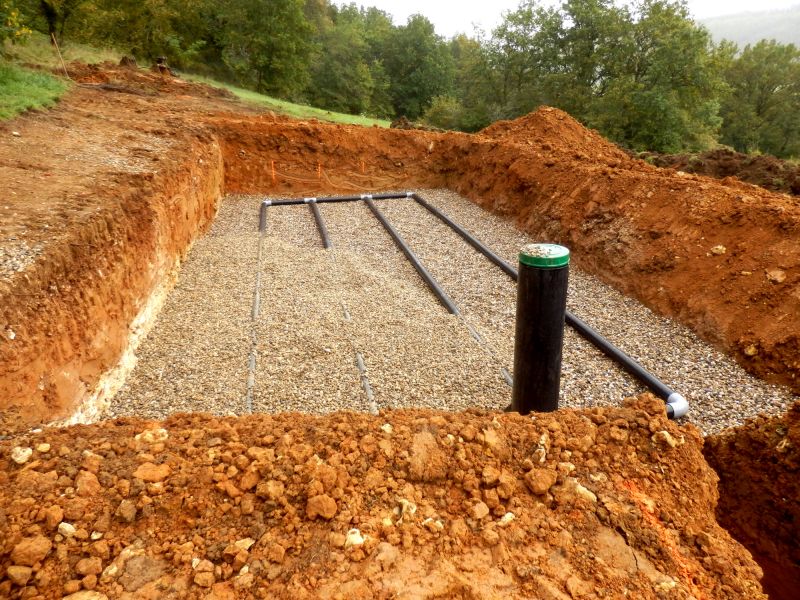
Understanding Drain Field Systems
Properly installed drain fields ensure efficient wastewater dispersal for residential properties.
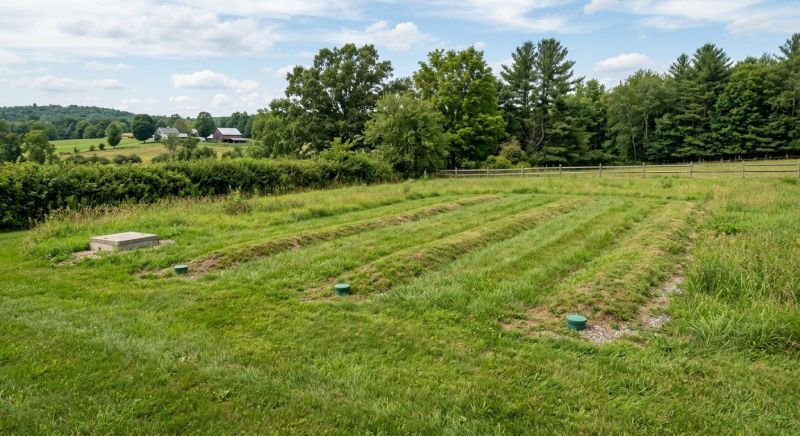
Design And Placement Considerations
Selecting the right location and layout helps maintain soil health and prevent system failure.
Maintenance And Longevity
Regular inspection and care can extend the lifespan of a drain field and prevent costly repairs.
Drain Field Installation in Denver, CO
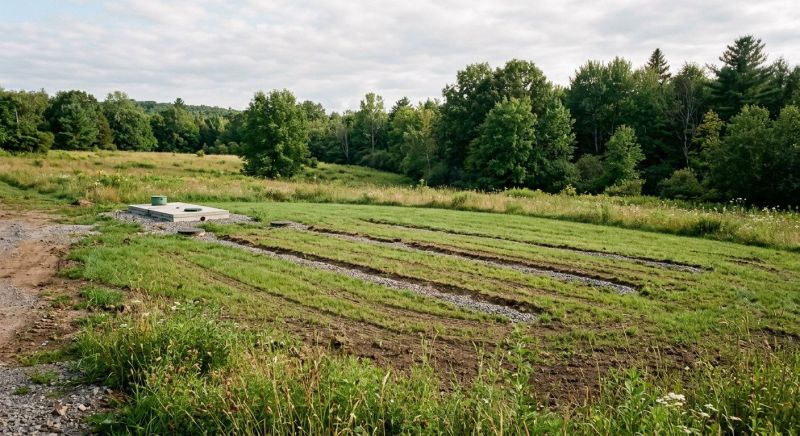
Drain field installation services involve setting up the underground systems that distribute wastewater from a septic tank into the soil for natural filtration. These systems are essential for properties that rely on septic tanks, particularly in areas where municipal sewer connections are unavailable. Projects can range from new installations on vacant land to replacing or upgrading existing drain fields that have become inefficient or damaged. Homeowners should understand the importance of proper site assessment, soil suitability, and system design to ensure effective and long-lasting operation of the septic system.
Before requesting drain field installation, property owners typically want to know about the size and type of system suitable for their property, as well as any site-specific considerations such as soil conditions, space requirements, and local regulations. It’s also helpful to understand the overall process involved, including excavation, installation, and testing, to ensure the system functions properly and meets health and safety standards. Having this information can assist homeowners in making informed decisions about their septic system needs.
Many property owners in Denver, CO look into Drain Field Installation for repairs, replacements, upgrades, and appearance-related improvements.
Common Drain Field Installation Jobs
Drain field installation involves setting up a system to safely disperse wastewater from a septic tank into the ground.
Gravity drain fields use natural slope to distribute effluent evenly across the soil.
ensure consistent flow even on uneven terrain or challenging soil conditions.
Mound systems are designed for properties with high water tables or shallow bedrock.
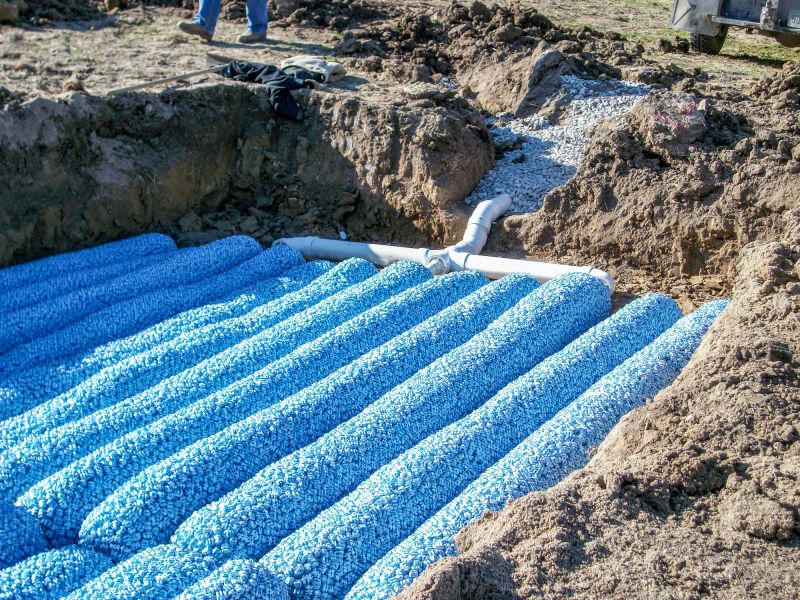
Alternative drain fields include sand filter beds and chamber systems for specialized site needs.
Proper installation helps prevent system failure and extends the lifespan of the septic system.
Drain Field Installation Questions
What is a drain field? A drain field is an underground system that safely disperses treated wastewater from a septic system into the soil.
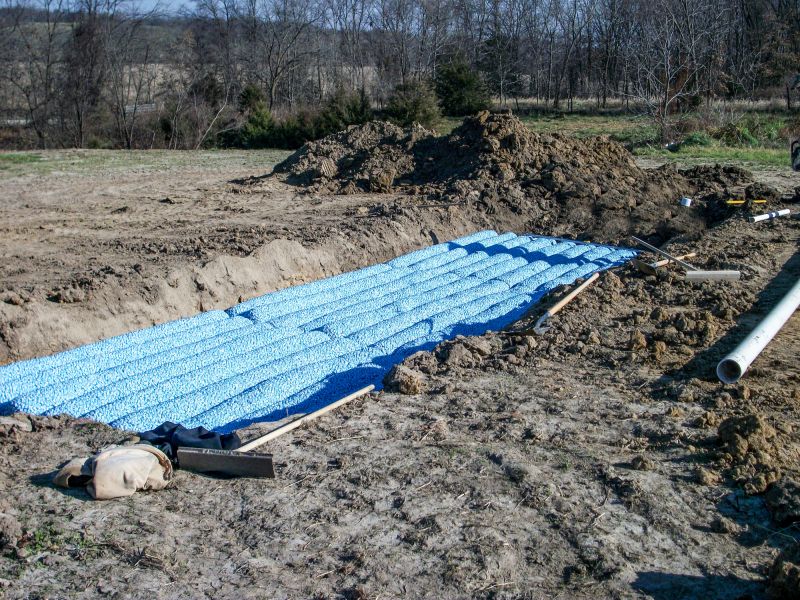
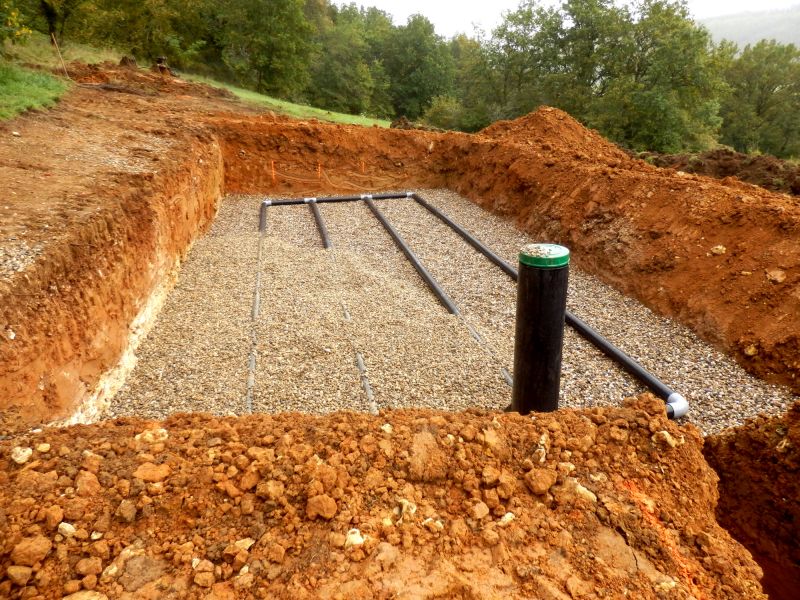
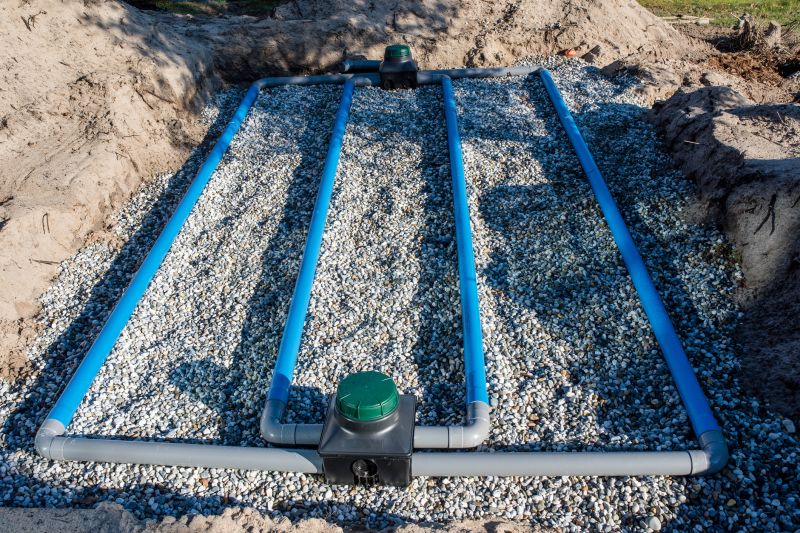
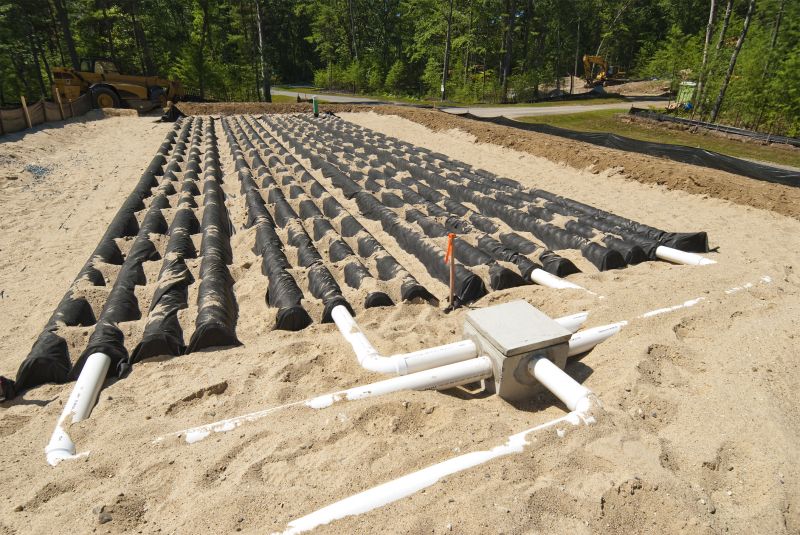
How is a drain field installed? Installation involves excavating trenches, laying perforated pipes, and covering them with gravel to allow water to filter into the ground.
What types of properties need a drain field? Properties with a septic system or those not connected to municipal sewer lines typically require a drain field for wastewater management.
What should property owners consider before installation? Site soil conditions, property size, and local regulations are important factors in planning a drain field installation.
Request Drain Field Installation in Denver, CO
Use the quote form on this page to share the basics of your project and request more information for the type of work you need.