Utility Basin Installation in Denver, CO
Utility basin installation services involve setting up the necessary underground or above-ground containers that collect and manage wastewater, stormwater, or other utility-related fluids on residential properties. These systems are essential for projects such as new construction, landscape drainage improvements, septic system upgrades, or yard renovations. Property owners typically want to understand the scope of installation, including the types of basins available, the materials used, and how the system integrates with existing plumbing or drainage infrastructure to ensure proper functionality and compliance with local regulations.
Before requesting utility basin installation, property owners should consider factors such as the size and capacity needed for their property, the location of the basin in relation to structures and property boundaries, and any permits or inspections required by local authorities. It’s also helpful to understand the specific purpose of the basin-whether for stormwater management, wastewater collection, or other utility needs-and how the installation process may impact existing landscaping or drainage patterns. Clear communication about these details can help ensure the project meets the property’s requirements and operates effectively.
Many property owners in Denver, CO look into Utility Basin Installation for repairs, replacements, upgrades, and appearance-related improvements.
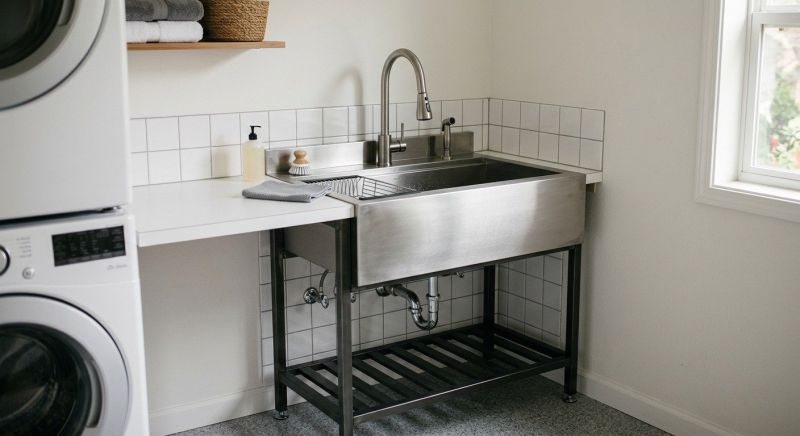
Utility Basin Functionality
Proper utility basins help manage water drainage and prevent property flooding.
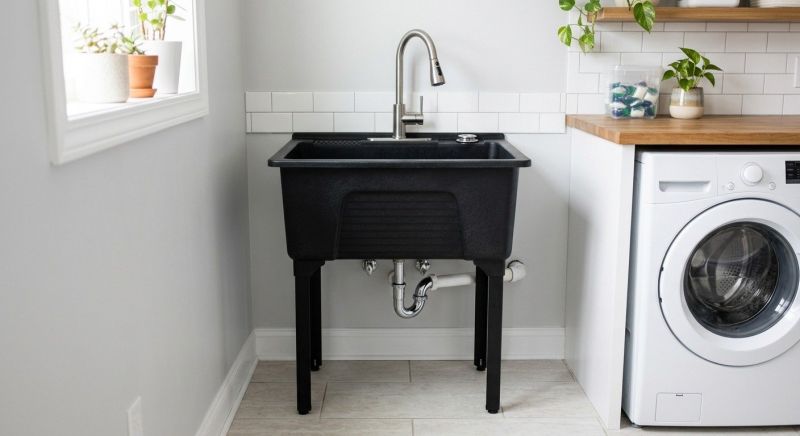
Installation Considerations
Selecting the right basin size and location ensures effective water collection and easy maintenance.
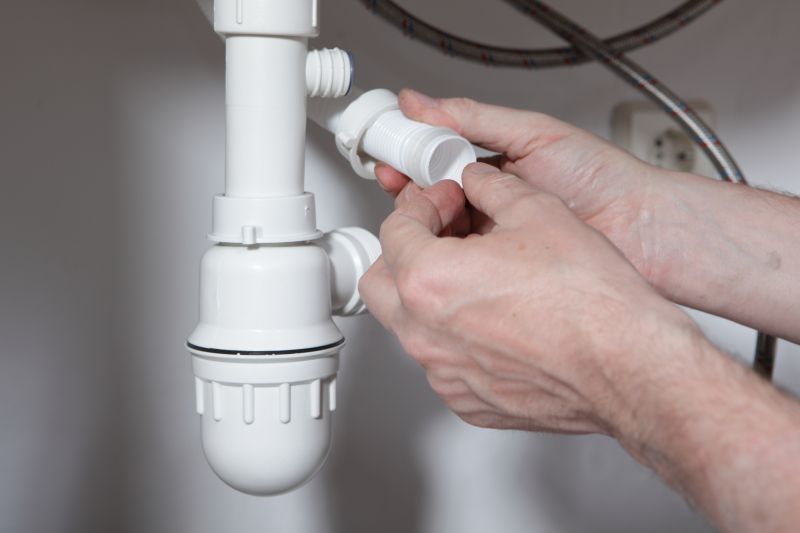
Common Project Types
Utility basin installation is often needed for residential driveways, patios, and landscaping in denver and nearby areas.
Utility Basin Installation in Denver, CO
Utility basin installation services involve setting up the necessary underground or above-ground containers that collect and manage wastewater, stormwater, or other utility-related fluids on residential properties. These systems are essential for projects such as new construction, landscape drainage improvements, septic system upgrades, or yard renovations. Property owners typically want to understand the scope of installation, including the types of basins available, the materials used, and how the system integrates with existing plumbing or drainage infrastructure to ensure proper functionality and compliance with local regulations.
Before requesting utility basin installation, property owners should consider factors such as the size and capacity needed for their property, the location of the basin in relation to structures and property boundaries, and any permits or inspections required by local authorities. It’s also helpful to understand the specific purpose of the basin-whether for stormwater management, wastewater collection, or other utility needs-and how the installation process may impact existing landscaping or drainage patterns. Clear communication about these details can help ensure the project meets the property’s requirements and operates effectively.
Many property owners in Denver, CO look into Utility Basin Installation for repairs, replacements, upgrades, and appearance-related improvements.
Common Utility Basin Installation Jobs
Utility Basin Installation - Installing basins to manage water drainage and prevent flooding on residential properties.
Stormwater Management - Setting up systems to direct rainwater away from foundations and landscaped areas.
Sump Basin Installation - Installing sump basins to collect groundwater and reduce basement flooding risks.
Irrigation Basin Setup - Creating basins to support efficient irrigation and water conservation efforts.
Drainage System Installation - Implementing underground basins to improve overall property drainage.
Water Management Solutions - Designing basin systems to accommodate property-specific water flow needs.
Utility Basin Installation Questions
What is a utility basin installation? It involves setting up a designated area to house essential utility connections like water, sewer, or drainage systems for a property.
Why might a property need a utility basin? Utility basins help manage water flow, prevent flooding, and organize utility connections for better property maintenance.
What types of properties typically require utility basin installation? Residential homes, commercial buildings, and property developments often need utility basins for proper utility management.
What should property owners consider before installation? It’s important to plan for proper drainage, access points, and compliance with local regulations during the installation process.
Request Utility Basin Installation in Denver, CO
Use the quote form on this page to share the basics of your project and request more information for the type of work you need.